
Single Split vs Multi Split System Air Conditioning: Which Is Right for Your Home?
Single Split vs Multi Split System Air Conditioning: What's the Difference?
Picture this: you've just bought a three-bedroom home in Brisbane and the summer heat is already making itself known. You want to cool the main living area, the master bedroom and maybe a spare room, but you're not sure whether to buy separate single split systems for each room or invest in one multi split system air conditioning setup. It's one of the most common questions Australian homeowners face, and the answer depends on a handful of practical factors. This article walks you through upfront cost, installation complexity, energy efficiency and flexibility so you can make the right call for your home.
Key takeaways
- Multi split system air conditioning connects one outdoor unit to multiple indoor zones, while single splits pair one outdoor unit with one indoor unit.
- Multi split systems cost more upfront but are cheaper per zone when conditioning three or more rooms.
- Multi split systems require less outdoor wall space and lower long-term maintenance costs.
How Each System Works
Both single split and multi split systems use the same core technology: an outdoor compressor unit connected to one or more indoor units via refrigerant lines. The key difference is how many indoor units share a single outdoor unit. Understanding that distinction makes every other comparison in this article much easier to follow.
Single Split Systems
Split system air conditioners in their most common form pair exactly one outdoor unit with one indoor unit, creating a dedicated climate zone for a single room or open-plan space. That one-to-one relationship is what defines a single split system, and it's the reason they're so straightforward to install and service.
Capacity typically runs from 2kW at the compact end up to 9.5kW for larger living areas. A 2.5kW unit suits a small bedroom or study of around 15 to 20 square metres, while a 7kW or 8kW unit handles a large open-plan kitchen and living area. The Daikin LITE 2.5kW (FTXF25WVMA), priced from $989, is a solid entry-level example: quiet, inverter-driven and straightforward to install in a standard bedroom. Because each system is self-contained, a fault with one unit has no impact on any other room in the house.
Multi Split Systems
A multi split system air conditioning setup connects a single outdoor unit to two, three, four or more indoor units, each independently controlled. The outdoor unit does the heavy lifting for the whole system, while each indoor unit manages its own zone. This means you get multi-room coverage without multiplying the number of compressors sitting outside your home.
Outdoor units in a multi split configuration typically support between two and six indoor zones, depending on the model and total capacity. The Mitsubishi Electric 5.2kW 2-port outdoor unit (MXZ-2F52VF-A1) from $1,795 is a popular two-zone option, while the Daikin 7kW 2-port LITE outdoor unit (2MXF70TVMA) from $1,818 offers a comparable two-zone solution from a different brand. Each indoor unit is purchased separately and added to the outdoor unit's total capacity, so you build the system to suit your floor plan.
Indoor units in a multi split setup don't have to be identical. You can mix wall-mounted units in the bedrooms with a ceiling cassette in the living area or a floor console in a sunroom, provided the combined capacity stays within the outdoor unit's rated limit. Like single split systems, multi split systems use inverter technology and reverse-cycle operation, meaning they handle both heating, cooling and ventilation across all zones from the one outdoor unit.
Single Split vs Multi Split System Air Conditioning: Head-to-Head Comparison
Choosing between a single split and a multi split system comes down to six practical factors: upfront cost, installation cost, the number of zones you need, how independently each zone can be controlled, how much outdoor space you have for compressor units and what type of home you're fitting out. The table below puts both systems side by side so you can see the trade-offs at a glance.
| Feature | Single Split System | Multi Split System |
|---|---|---|
| Upfront Unit Cost | Lower per unit (from ~$989 for a 2.5kW system) | Higher upfront (outdoor unit from ~$1,795 plus separate indoor units) |
| Installation Cost | Lower per zone; costs multiply if you add more rooms later | Higher initial install; cheaper per zone when doing multiple rooms at once |
| Number of Zones | One zone per system | Two to six zones from a single outdoor unit |
| Independent Temperature Control | Full control of that one zone | Full independent control of each zone |
| Outdoor Unit Footprint | One outdoor unit per room (multiples needed for whole-home coverage) | One outdoor unit serves all zones |
| Best Suited For | Single rooms, rentals, simple installs | Multi-room homes, apartments, townhouses with limited outdoor space |
The cost picture is more nuanced than it first appears. A single split system is cheaper to buy and install for one room, but if you want to condition three rooms, you're purchasing three separate systems and paying for three separate installations. A multi split setup costs more upfront, but the combined cost of the outdoor unit plus three indoor units, installed in a single visit, often works out cheaper per zone than three standalone systems. The savings grow further when you factor in ongoing maintenance: one outdoor unit to service rather than three.
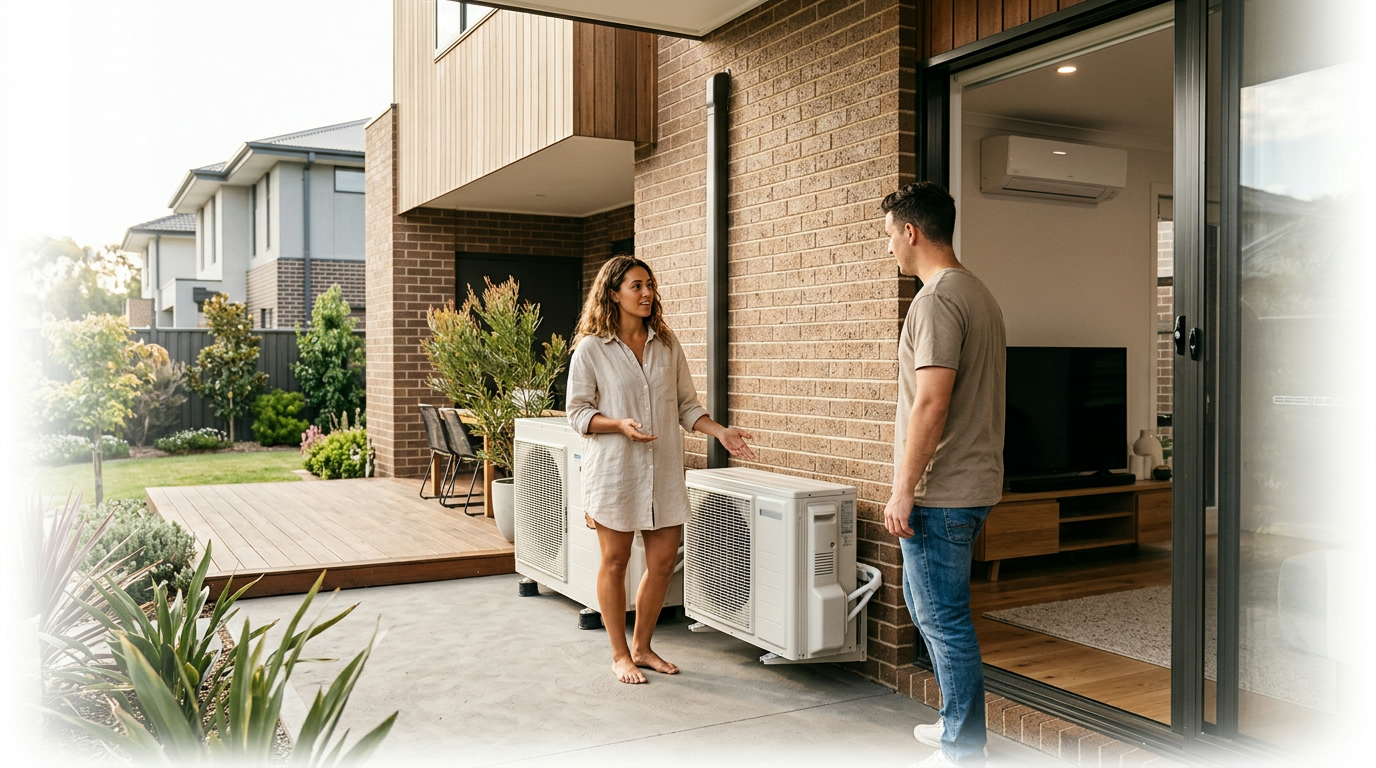
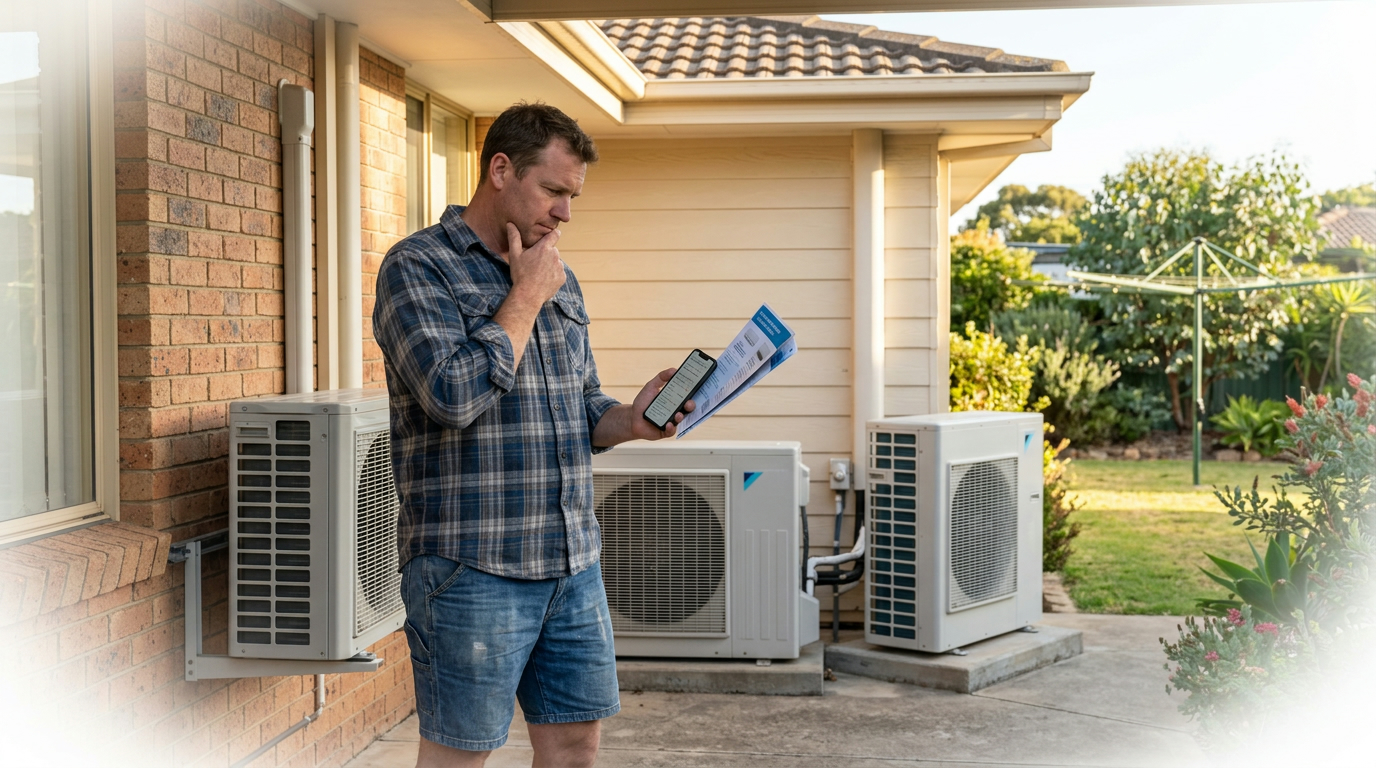
Outdoor space is where Mitsubishi Electric split systems and other multi split brands have a clear structural advantage. Every single split system you add to a home requires another outdoor compressor on an external wall or ground mount. In a double-storey home or a property with limited eave space, finding three or four suitable outdoor locations can be genuinely difficult. A multi split system solves that problem by consolidating everything into one outdoor unit, which is particularly valuable on narrow block homes and properties with heritage or strata restrictions on external modifications.
The flexibility argument for multi split also extends to indoor unit variety. Because each indoor unit in a multi split system operates independently, you can run the bedroom at 20°C while the living area sits at 24°C, or switch off zones that aren't in use. That level of control is identical to what you'd get from separate single split systems, but without the cluster of outdoor units on your external walls.
Which System Is Right for Your Home?
The right choice between a single split and a multi split system depends on how many rooms you need to condition, how much outdoor wall space you have, your budget and whether you own or rent. Most Australian homeowners fall clearly into one camp or the other once they work through these four factors.
Choose a Single Split System If...
A single split system is the practical, cost-effective choice in a number of common situations. Brands like Daikin split systems offer reliable, energy-efficient options at accessible price points, with the Daikin LITE 2.5kW (FTXF25WVMA) priced from $989 as a strong entry-level pick for a bedroom or study.
- You only need to condition one room. A single split is purpose-built for exactly this scenario. There's no benefit in paying for a multi-zone outdoor unit when you only need one indoor unit.
- You're working with a tight budget. The lower upfront cost of a single split system makes it the more accessible option, especially if you can add more systems later as your budget allows.
- You're renting the property. Landlords and tenants rarely want to commit to a large multi split installation. A single split in the main living area or bedroom is a proportionate investment.
- The room is isolated from the rest of the home. A granny flat, a converted garage or a home office in a separate structure is best served by its own self-contained system rather than a long refrigerant line run from a shared outdoor unit.
- You want the simplest possible installation. Single split systems involve less planning, fewer components and a faster install, which means lower labour costs and less disruption to your home.
Choose Multi Split System Air Conditioning If...
Multi split system air conditioning makes the most sense when you need coverage across multiple rooms and want to keep your outdoor unit count to a minimum. It's particularly well suited to apartments, townhouses and homes on narrow blocks where external wall space is at a premium.
- You need to condition two or more rooms. Once you're looking at three or more zones, a multi split system is almost always more cost-effective per zone than buying and installing separate single split systems for each room.
- You have limited outdoor wall space. If your home only has one practical location for an outdoor unit, a multi split system lets you serve the whole house from that single position. The Mitsubishi Electric 5.2kW 2-port outdoor unit (MXZ-2F52VF-A1) from $1,795 is a compact two-zone solution that fits neatly in tight spaces.
- Body corporate or heritage rules restrict multiple outdoor units. Strata-managed apartments and heritage-listed properties often limit the number of external fixtures permitted. A single multi split outdoor unit satisfies most body corporate requirements where three separate compressors would not.
- You want a cleaner aesthetic with fewer units on your external walls. One outdoor unit looks considerably tidier than three or four, and it's a genuine selling point if you ever put the property on the market.
- You're building new or renovating. A new build or major renovation is the ideal time to install a multi split system because refrigerant lines and electrical wiring can be run through the walls before they're closed up. The Mitsubishi Electric 5.4kW 3-port outdoor unit (MXZ-3F54VGD-A1) from $2,332 is a practical choice for a three-bedroom apartment, connecting up to three indoor units from a single compact compressor.
Cost Considerations: Installation, Running Costs and Long-Term Value
The real cost of a split system goes well beyond the sticker price on the box. For a single split system, the Daikin LITE 2.5kW (FTXF25WVMA) priced from $989 represents a genuinely accessible entry point, while a multi split setup combining an outdoor unit and two or three indoor units typically starts from $2,500 to $3,500 in hardware alone before installation is factored in. Understanding where each system costs more, and where it saves money, is what makes the decision straightforward.
Upfront Unit Cost
Single split systems are cheaper to buy for a single zone. A quality 2.5kW to 3.5kW unit from a reputable brand sits in the $989 to $1,500 range, and you get a complete, ready-to-install system in one box. Multi split systems require you to purchase the outdoor unit and each indoor unit separately. The Mitsubishi Electric 5.2kW 2-port outdoor unit (MXZ-2F52VF-A1) from $1,795 is the outdoor unit only, with indoor units added on top. For three zones, the Mitsubishi Electric 5.4kW 3-port outdoor unit (MXZ-3F54VGD-A1) from $2,332 is the starting point before any indoor units are counted.
Installation Cost
Single split installation is simpler and faster, which keeps labour costs lower per zone. A standard single split install typically takes two to four hours for a qualified technician. Multi split installation is more involved: the installer needs to run multiple refrigerant lines from a single outdoor unit to different rooms, which takes longer and costs more overall. That said, doing three zones in one visit is almost always cheaper than booking three separate single split installations on three separate days.
Running Costs and Long-Term Value
Multi split systems run a single compressor to serve all active zones, which can be more efficient than running multiple separate compressors when several rooms are in use at the same time. If you regularly condition two or three rooms simultaneously, a multi split setup may use less energy overall than the equivalent number of single split systems running in parallel. Running costs will vary depending on your usage patterns, the climate zone you live in and your electricity tariff, so treat this as a general advantage rather than a guaranteed saving.
Long-term maintenance is where multi split systems have a clear edge. One outdoor unit means one annual service call, one refrigerant check and one set of components to monitor. Three single split systems mean three outdoor units, three sets of filters and three potential points of failure. Over a 10 to 15 year lifespan, that difference in maintenance overhead adds up in both time and cost.
Ready to Choose? Find the Right System for Your Home
The decision between a single split and a multi split system comes down to a few honest questions: how many rooms do you need to cool or heat, how much outdoor space do you have and what does your budget look like right now versus over the next decade?
For a single room, a single split system is the simpler, more affordable choice and there's no reason to overcomplicate it. For two or more rooms, especially in apartments, townhouses or homes on narrow blocks, multi split system air conditioning is the smarter long-term investment. You get fewer outdoor units, lower combined maintenance costs and a tidier property, all from a single installation visit.
Think about your home layout and your future needs before committing. A system that suits you today should still suit you in five years. To compare pricing and specifications across all major brands, browse our full range of split system air conditioners or get in touch with our team for personalised advice on the right system for your home.
Frequently Asked Questions
What is the difference between a single split and a multi split air conditioning system?
A single split system pairs one outdoor unit with one indoor unit to condition a single room or zone. A multi split system connects one outdoor unit to two or more indoor units, each independently controlled, allowing you to condition multiple rooms without installing multiple outdoor compressors.
Is a multi split system more expensive than a single split system?
A multi split system costs more upfront because you're purchasing a larger outdoor unit plus separate indoor units for each zone. However, when you need to condition three or more rooms, the combined cost of a multi split setup is often lower per zone than buying and installing separate single split systems for each room.
Can each room in a multi split system be controlled independently?
Yes. Each indoor unit in a multi split system has its own controller and operates independently of the others. You can set different temperatures in different rooms, switch individual zones off when they're not in use and run heating in one room while cooling another.
How many rooms can a multi split system air conditioner cover?
Most residential multi split systems support between two and six indoor zones from a single outdoor unit, depending on the model and its total capacity. The number of zones you can add is limited by the outdoor unit's rated capacity, so it's important to match your indoor units to the outdoor unit's specifications.
Which system is better for an apartment or townhouse?
Multi split system air conditioning is generally the better fit for apartments and townhouses. Limited outdoor wall space, body corporate rules and strata restrictions on external fixtures often make it impractical to install multiple separate outdoor units. A single multi split outdoor unit serving two or three zones satisfies most body corporate requirements and keeps the exterior of the building tidy.
Need expert advice?
Our team can help you choose the right air conditioning system for your space.